Healthcare Cyber Risk Forecasts
See the attack before it hits. Defend what matters.
Healthcare Risk Forecast – May 2026:
Ransomware on Hospitals & Health Systems — Very High (81–100%)
Near‑certain risk, with sustained and increasing attacks capable of disrupting patient care, clinical operations, and hospital availability.Large‑Scale Breaches of Patient Data (PHI) — High (61–80%)
Very likely risk driven by persistent exploitation of healthcare systems and vendors holding massive volumes of sensitive patient data.Attacks on Medical Devices & Healthcare IoT — Moderate (41–60%)
Growing risk as attackers exploit widespread vulnerabilities in connected medical devices and IoT systems used in clinical environments.Insider Threat (Data Theft or Misuse) — Moderate (41–60%)
Persistent background risk stemming from broad internal data access, human error, and deliberate misuse by employees or contractors.
Business-Level Cyber Risk Forecasts
Professional Services is not a single risk profile. Attackers do not treat law firms, accounting firms, consultants, and engineering firms the same way—and CISOs cannot defend them the same way.
The sub‑industry forecasts exist to dial risk down to the level where CISOs actually operate: your business, your exposure, your consequences.
Sub‑industry forecasts are tied directly to:
How your firm handles client data and transactions
Where you hold privileged access (internally and to clients)
How downtime, exposure, or compromise creates business harm
They include:
Evidence of recent attacks against peer firms
Shifts in attacker tactics that disproportionately affect your sub‑industry
Leading indicators that precede impact (not just confirmed breaches)
Sub‑industry reports include:
Likelihood bands tied to real attack activity
Directional trends over 30 / 60 / 90 days
Reasonable financial impact ranges aligned to how firms like yours fail in practice
This helps CISOs:
Move conversations from “possible” to “probable”
Frame cyber risk in terms leadership understands
Support decisions without exaggeration or fear‑based messaging
Sub‑industry forecasts tell you what is most likely to happen to firms like yours.
Each sub‑industry view:
Filters out threats that are irrelevant to your operating model
Elevates the attack paths attackers actually use against your type of firm
Reflects how your clients, workflows, data, and access patterns change risk
For CISOs, this means:
Less generic “top 10 threats” noise
More confidence you are defending the right risks first
The Game Changer
Unlike any other industry report we're able to dial-down into business-level risk. We can do that because we've quantified the industry level risk and established baselines for each subindustry. That means we understand how effective controls actually are for blocking attacks. What we're seeing is that across all industries varying controls are less effective than initially thought, in part that's because organizations aren't consistent in their application, or because attackers are getting around them. What's important is that we're able to measure these differences leading to deeper insight at the business level.
First we move from the industry to subindustry risk by narrowing our focus. The subindustry level risk tells us what the environment is like, and based on activity from the last 90 days we're able to establish a likelihood of near future attacks. To get from the probability of an attack in the subindustry to the probability of an attack for your business requires a little bit of math, and a way to more fairly reflect the unique differences between individual businesses in any subsector. We use what is known as conditional probability to calculate the risk at the business level based both on what we know about the environment and the unique characteristics of the business.
There are Three main characteristics that drive which businesses are more likely to be targeted and how they will fare under attack. Using these three characteristics we've developed a set of business profiles that reflect every combination. That means you can pick the exact profile that reflects your organization. Each profile's risk estimate of impact has also already been adjusted to reflect how much it varies from the subindustry baseline.
In-depth risk analysis quantified for the top attack scenarios - that doesn't cost an arm or a leg (just the cost of a daily cup of coffee). Now that's what we call a game changer.
Cyber Risk Quantified For You
Each Subindustry report includes a complete quantification of business-level risks. The likelihood your business would experience any of the top attacks along with reasonable financial impact estimates are provided. Industry level risk is adjusted to reflect exactly how your organization is doing by considering three critical characteristics that help determine the likelihood your business would be targeted and how effective your controls are.
Quantifying cyber risk changes how CISOs communicate. It replaces abstract warnings with business‑relevant signals leadership can act on.
Without quantification, cyber risk sounds like:
“High likelihood”
“Elevated threat”
“Critical exposure”
Leadership hears risk, but cannot place it in context.
With quantified risk, CISOs can explain:
How likely a scenario is
What it would realistically cost the business
Why it matters compared to other enterprise risks
That shift is foundational.
Importantly, the quantification used in the sub‑industry forecasts is reasonable and defensible.
It is based on:
How firms like yours are actually attacked
How failures cascade in your sub‑industry
Realistic ranges, not catastrophic speculation
That allows CISOs to:
Avoid sensational worst‑case narratives
Maintain trust with leadership
Communicate risk without overstating impact
The result is a more disciplined security conversation.
Subscribe To Your Business-Level Cyber Risk Forecast
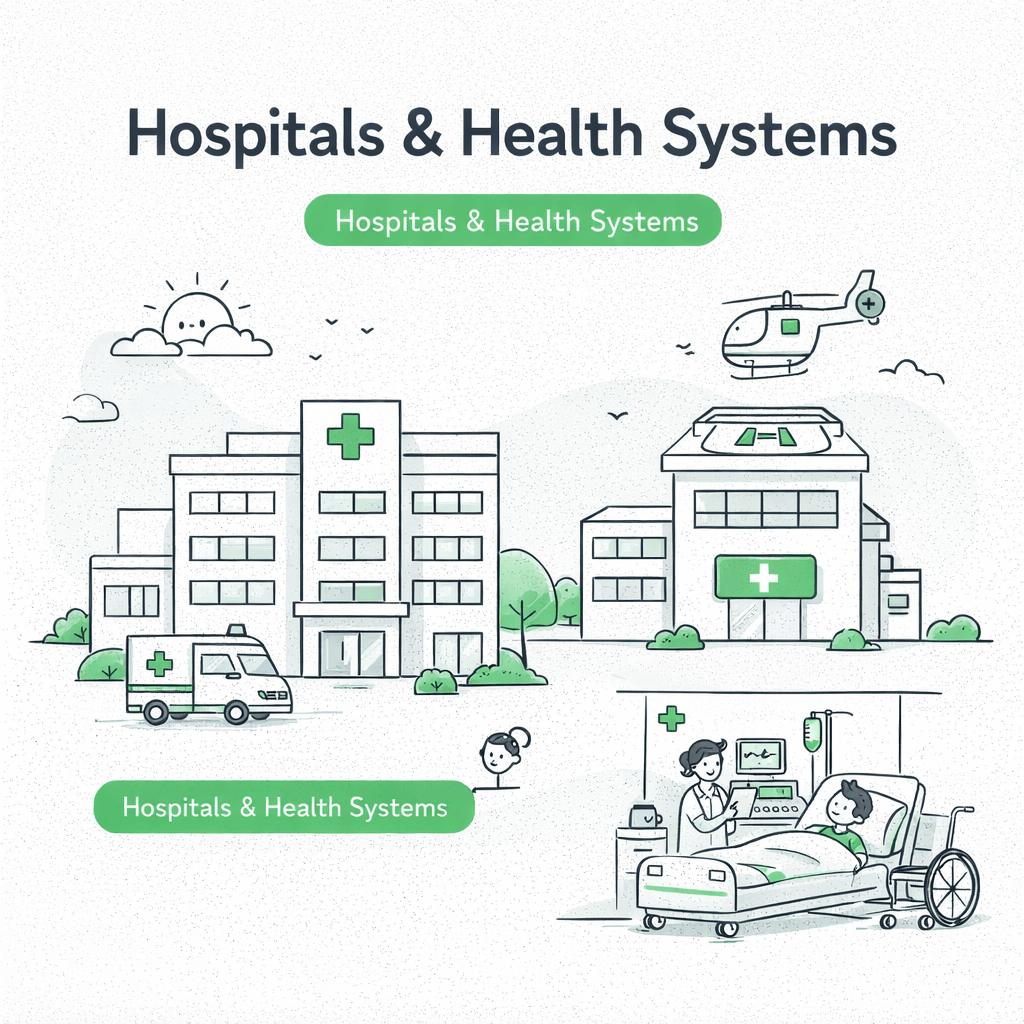
For hospitals
Cyber risk is operational risk—and patient risk.
Ransomware, data breaches, device exploitation, and third‑party failures remain highly probable over the next 90 days, with real potential to disrupt care delivery at scale. This forecast helps hospital leaders prioritize the risks most likely to impact clinical operations and act early—before outages, diversions, or regulatory scrutiny force decisions.
→ Subscribe to the Hospitals & Health Systems Business‑Level Risk Forecast
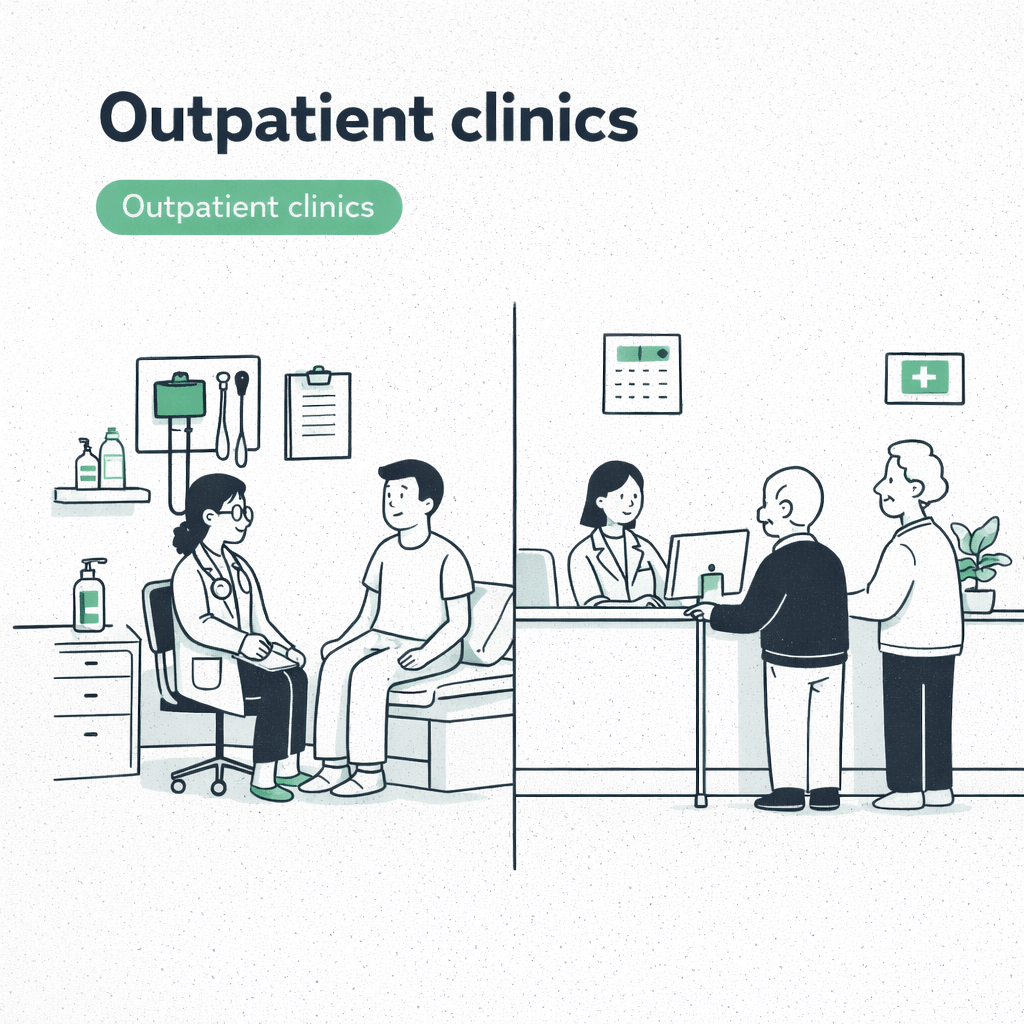
Outpatient Clinics & Ambulatory Care
For outpatient clinics, cyber incidents don’t pause care—they halt it.
Ransomware, patient data breaches, and vendor disruptions continue to threaten scheduling, billing, and continuity of care for resource‑constrained clinical environments. This forecast shows which risks are most likely to hit outpatient settings next, helping clinic leaders prepare, prioritize controls, and avoid disruptions that directly impact patients and revenue.
→ Subscribe to the Outpatient Clinics Risk Forecast